
01
LEGO Programming
A first instruction. A real response.
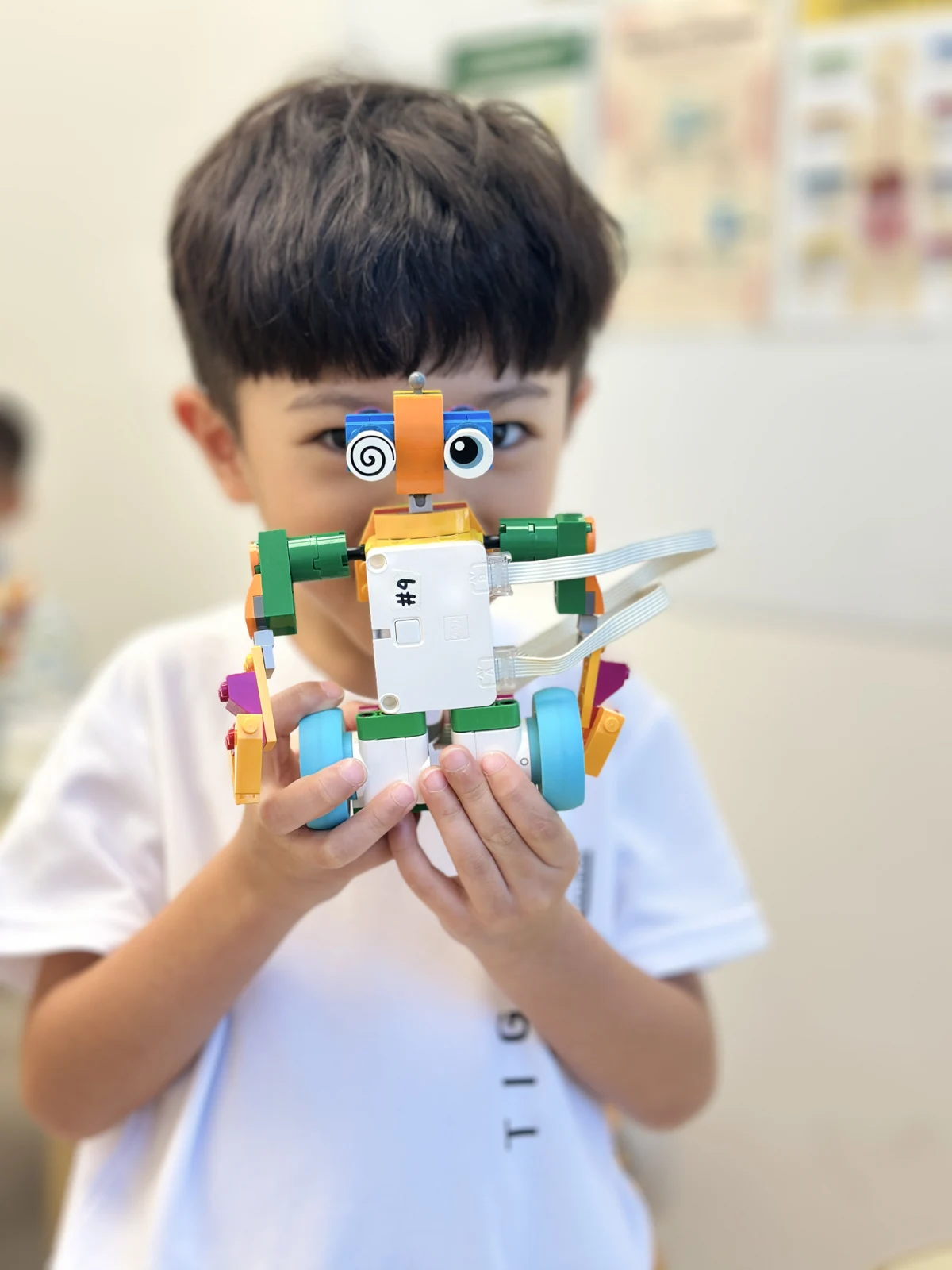
Build with LEGO SPIKE Essential and connect an icon-based instruction to something that moves.
Sequencing · Cause and effect
LITTLE EXPLORERS. BIG POSSIBILITIES.
Turn “Why?” into “Look what I made.”
A story opens the door. LEGO, games and science help children explore what’s inside. Then comes the best part: telling you all about it.
FOUR SKILLS. ONE CURIOUS CHILD.
A model that moves. A story they coded. A discovery they can explain. Each gives you a different glimpse of how your child is learning.
Build with LEGO SPIKE Essential and connect an icon-based instruction to something that moves.
Sequencing · Cause and effectUse ScratchJr to bring characters and stories to life, thinking about what happens first and what comes next.
Logic · Creative storytellingExplore ideas through hands-on science, noticing what happens and comparing it with what they expected.
Observation · Testing ideasPut thinking into words. Show a creation, describe a choice and practise sharing an idea with someone else.
Expression · Growing confidenceA NEW WORLD TO WONDER ABOUT
From outer space to the world inside us, familiar questions become the beginning of an adventure.
ADVENTURE 01
STEP INTO THE STORY
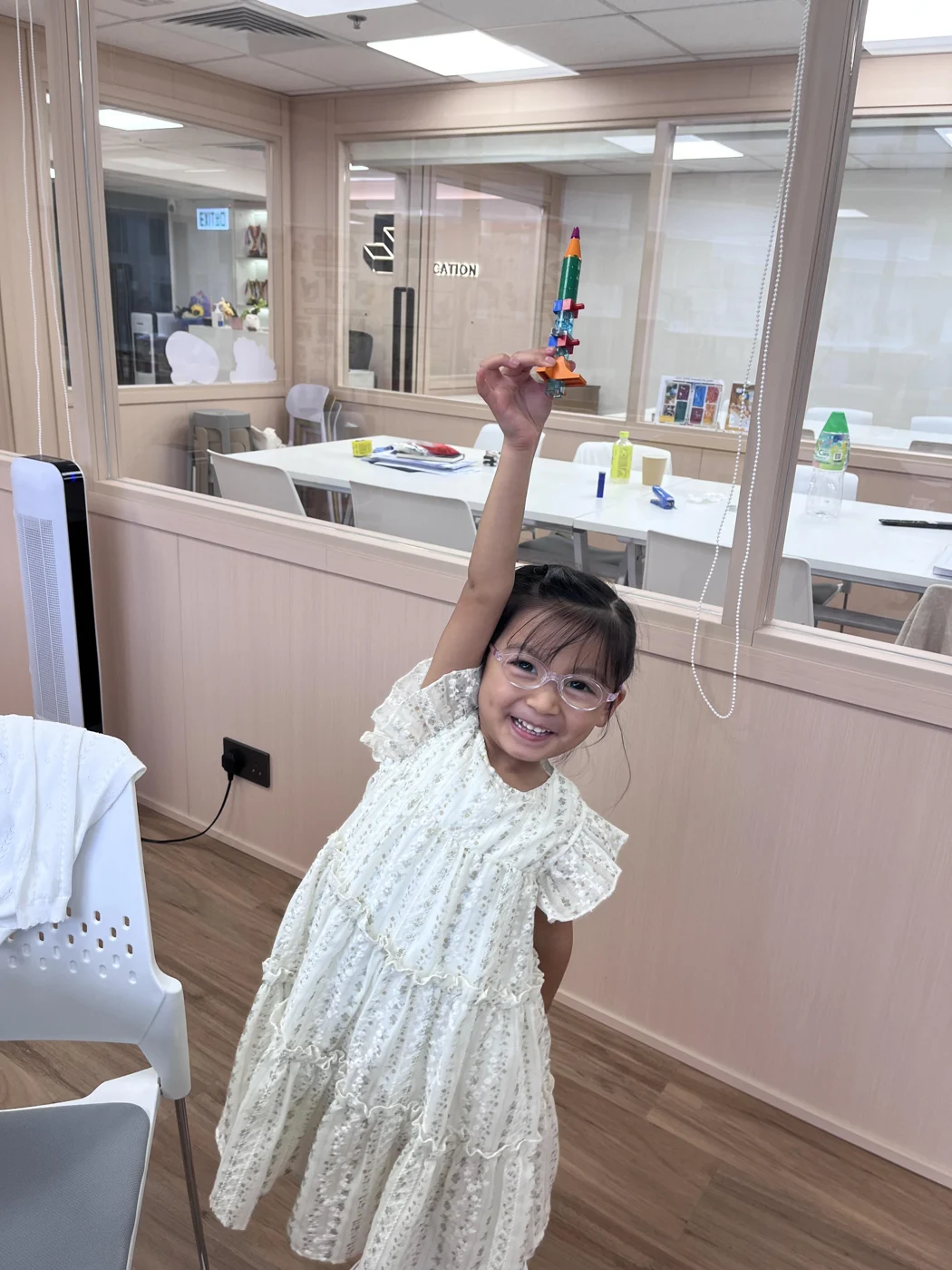
A deep-space mission turns questions about our universe into a reason to build, code and investigate.
Examples of learning areas
Sequence instructions, recognise patterns and debug step by step.
Explore gravity, satellites and our solar system.
Use ScratchJr to connect events, movement and simple interactions.
Explain a discovery and the thinking behind a decision.
ADVENTURE 02
STEP INTO THE STORY
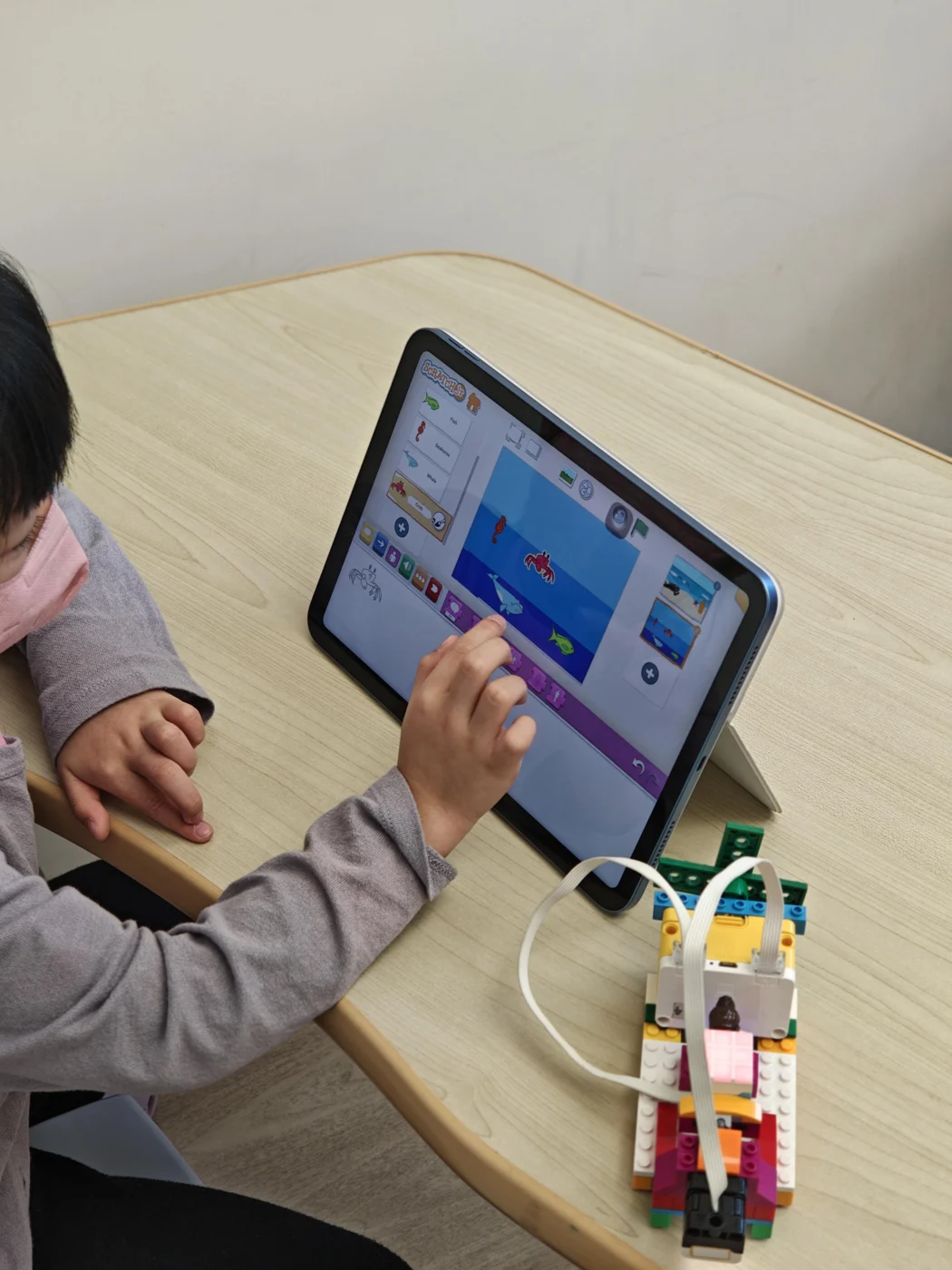
An underwater story invites children to investigate living things and discover how the world beneath the waves works.
Examples of learning areas
Connect instructions to movement, test a sequence and adjust it.
Explore marine habitats, floating, sinking and movement in water.
Use ScratchJr to practise sequencing and cause and effect.
Describe observations and explain an idea clearly.
ADVENTURE 03
STEP INTO THE STORY
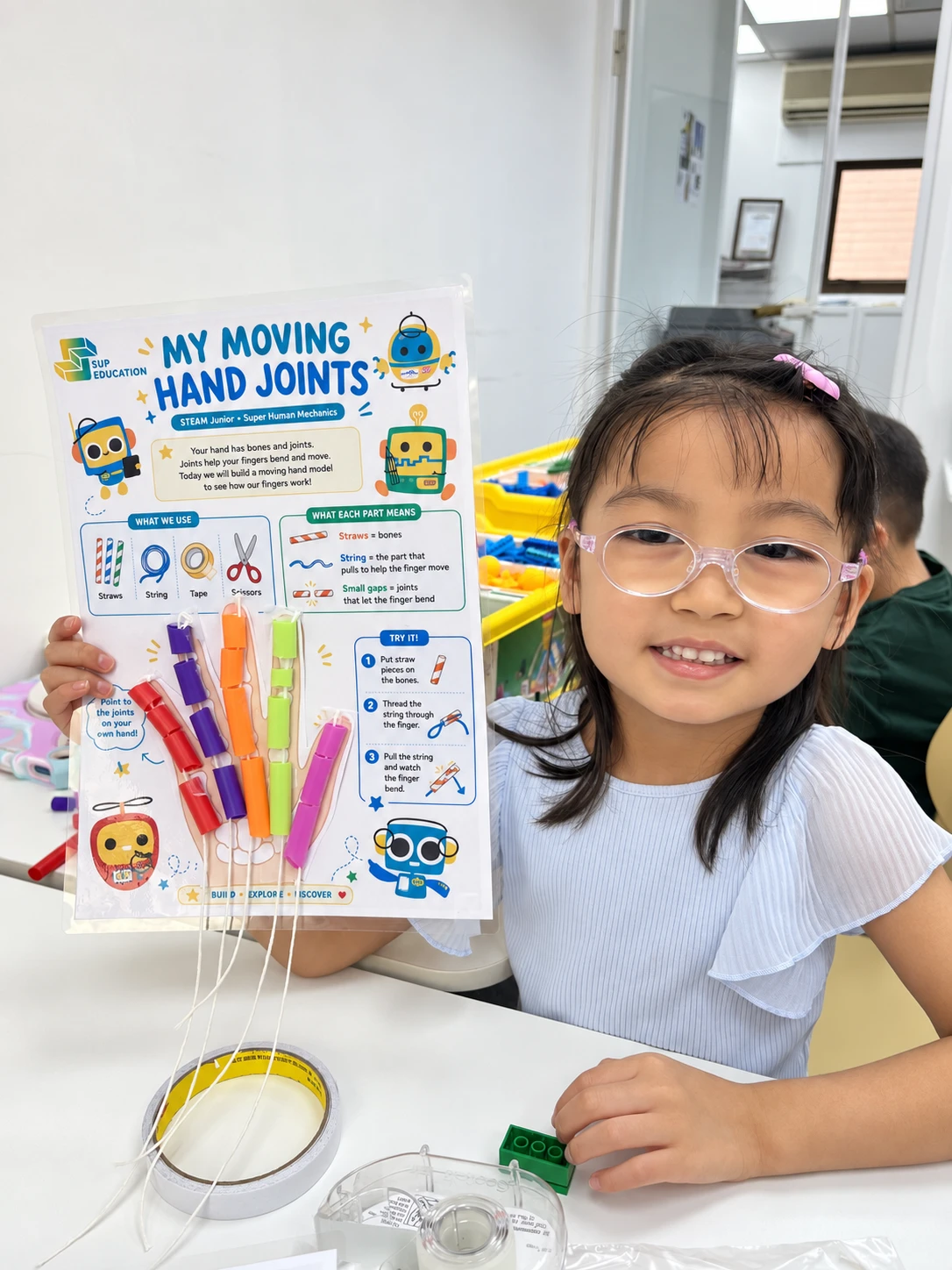
Everyday movements become clues. Children investigate how parts of the body work together, using models, code and hands-on discovery.
Examples of learning areas
Break an action into steps and connect commands to movement.
Explore bones, joints and how our hands bend and move.
Use ScratchJr to connect actions, timing and responses.
Demonstrate how a model works and explain what it represents.
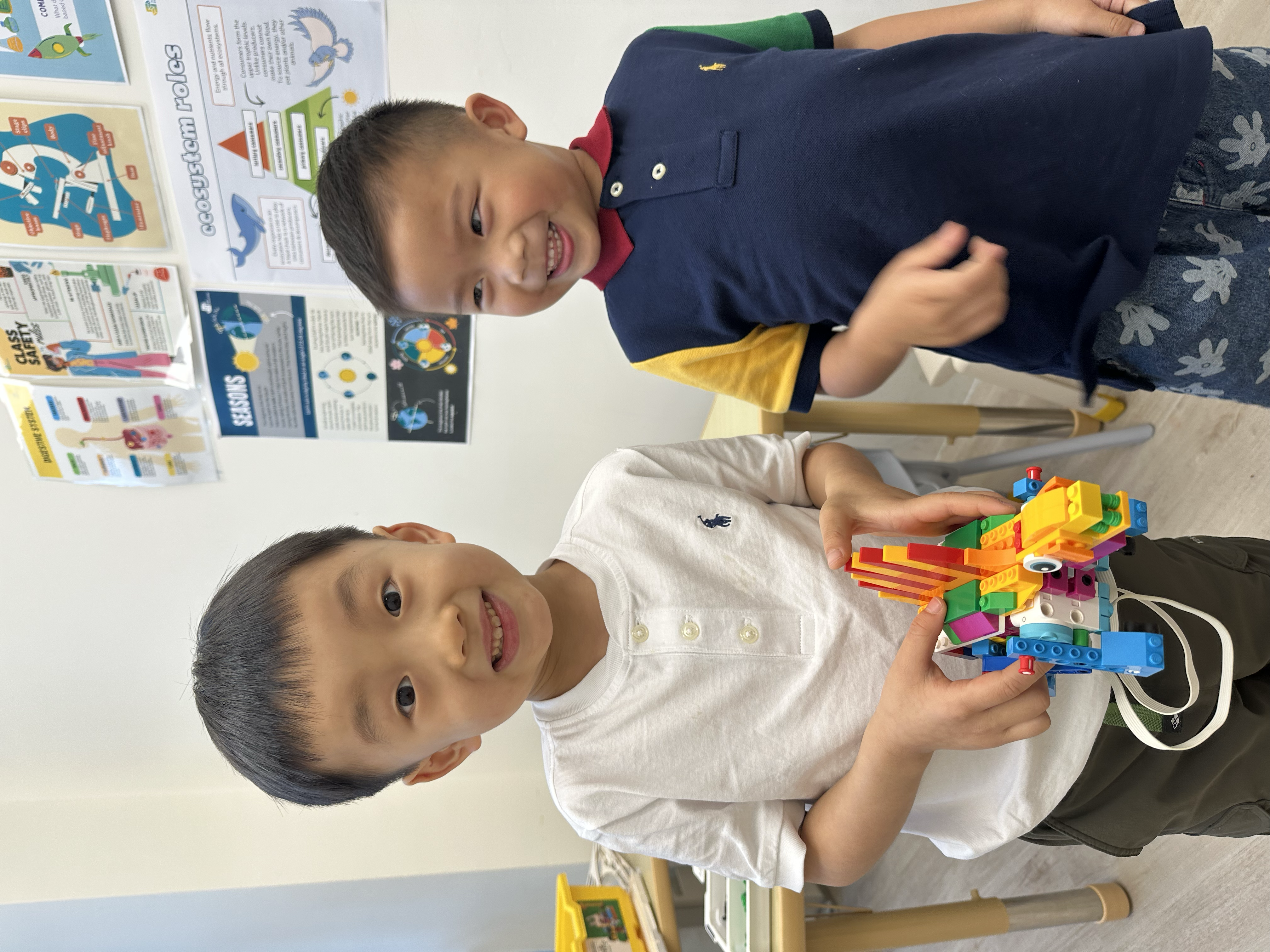
ADVENTURE 04
Step into the role of a palaeontologist. Children look for clues about prehistoric life, ask questions and make sense of what they discover.
Examples of learning areas
Build sequences, recognise patterns and test different instructions.
Explore fossils, footprints and how we learn about dinosaurs.
Use ScratchJr to practise movement, events and logical order.
Compare clues and explain the reasons behind an idea.
THE SUP LEARNING APPROACH
In Deep Space Mission, children become astronauts. In Dinosaur Era, they become fossil explorers, thinking like palaeontologists. A story gives every discovery a purpose—and every lesson something new to get excited about.

GUIDANCE THAT LEAVES ROOM FOR DISCOVERY
With our teachers as guides, children use LEGO programming, ScratchJr game design and hands-on science to explore each world. They practise programming logic, investigate scientific ideas and learn to explain their thinking through pitching.
Step into a role and discover the question at the heart of the story.
Explore the theme through LEGO, ScratchJr and hands-on experiments.
Test an idea, notice what happens and try a different approach.
Explain what they discovered, how it works and why they made a choice.
SMALL VOICES DESERVE A BIG MOMENT
For a young learner, pitching can begin with a simple sentence. We want children to feel that their ideas are worth sharing—and help them find the words.
Practise putting a discovery into words, ready for their end-of-term showcase.
LET’S PRACTISE A MINI PITCH
Start by introducing something they made.
A TERM OF DISCOVERY. A MOMENT TO SHINE.
Each term usually explores two themes, giving your child different worlds to investigate through LEGO programming, game design, science and pitching.
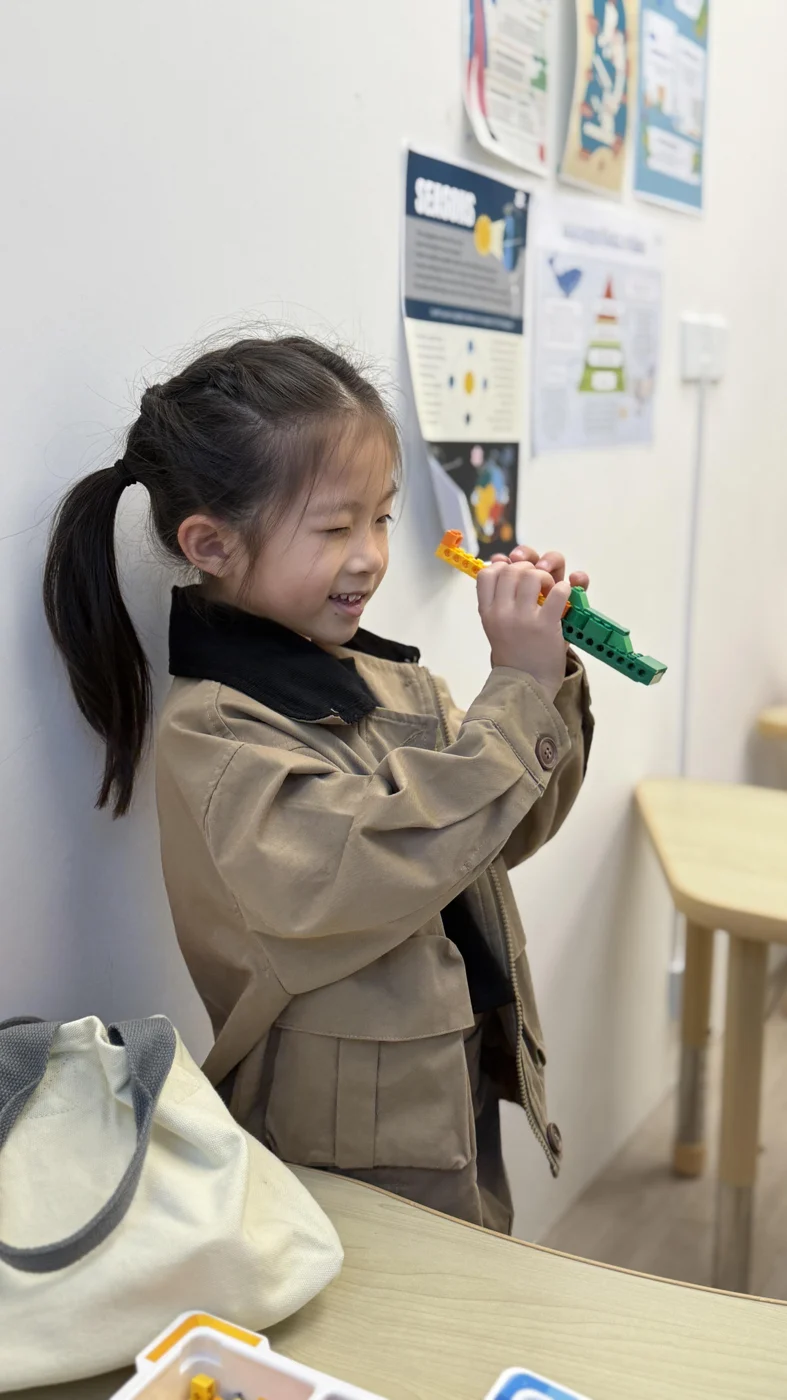 During regular class time
THEIR MOMENT IN THE SPOTLIGHT
After completing the term, your child is eligible to take part in our end-of-term showcase, held during their usual class time. A chance to present their discoveries and celebrate what they have learned.
SUP EDUCATION
SEE HOW THEY ARE GROWING
Receive a learning progress report at the end of the term—a way to understand your child’s learning journey and celebrate their progress.
Three sample sets adapted from our FP report layout.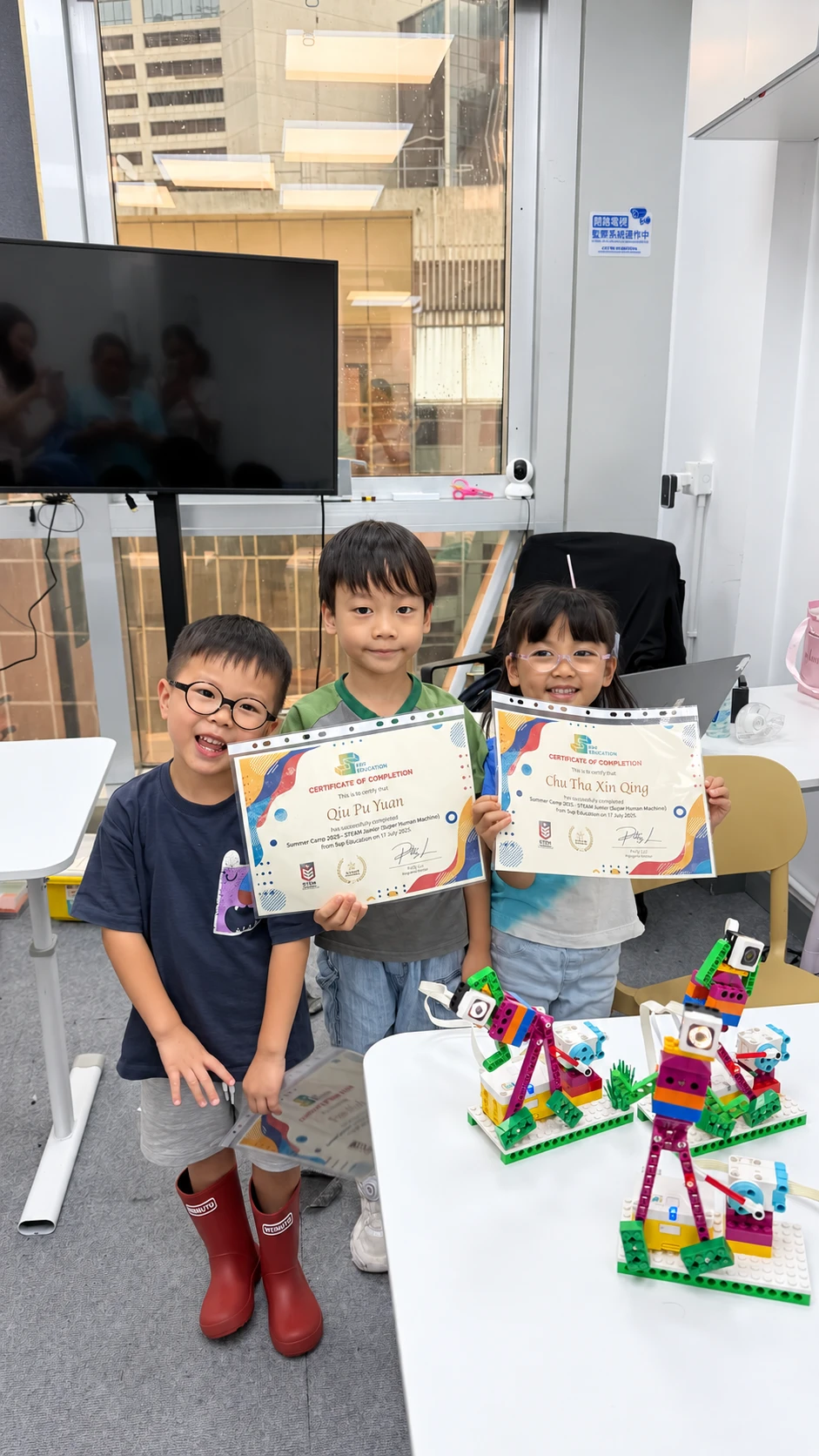
RECOGNISE THEIR ACHIEVEMENT
On completion of the term, your child receives a STEM.org-accredited certificate to recognise their achievement and mark this step in their learning journey.
THE LITTLE MOMENTS BEHIND THE LEARNING
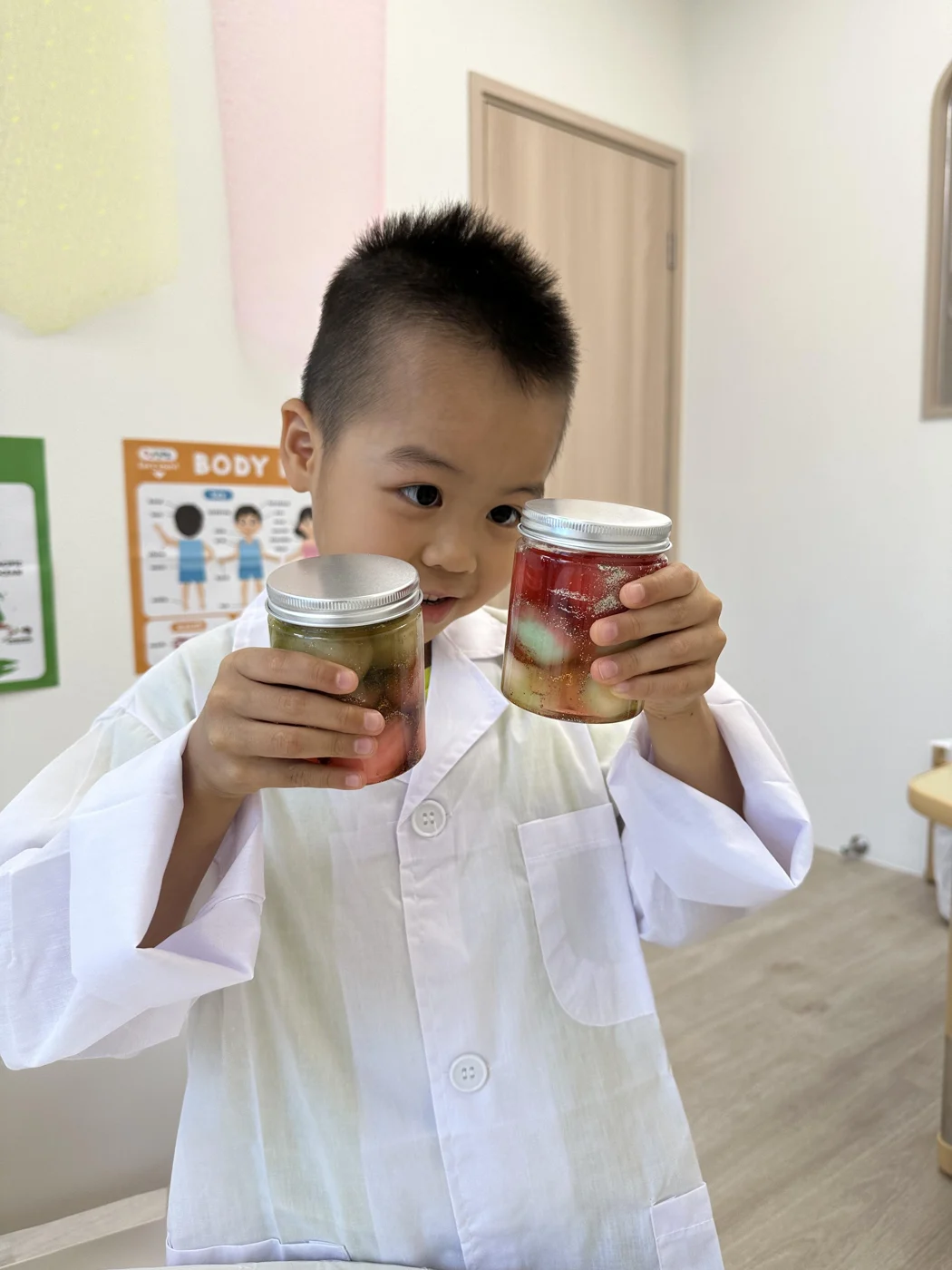
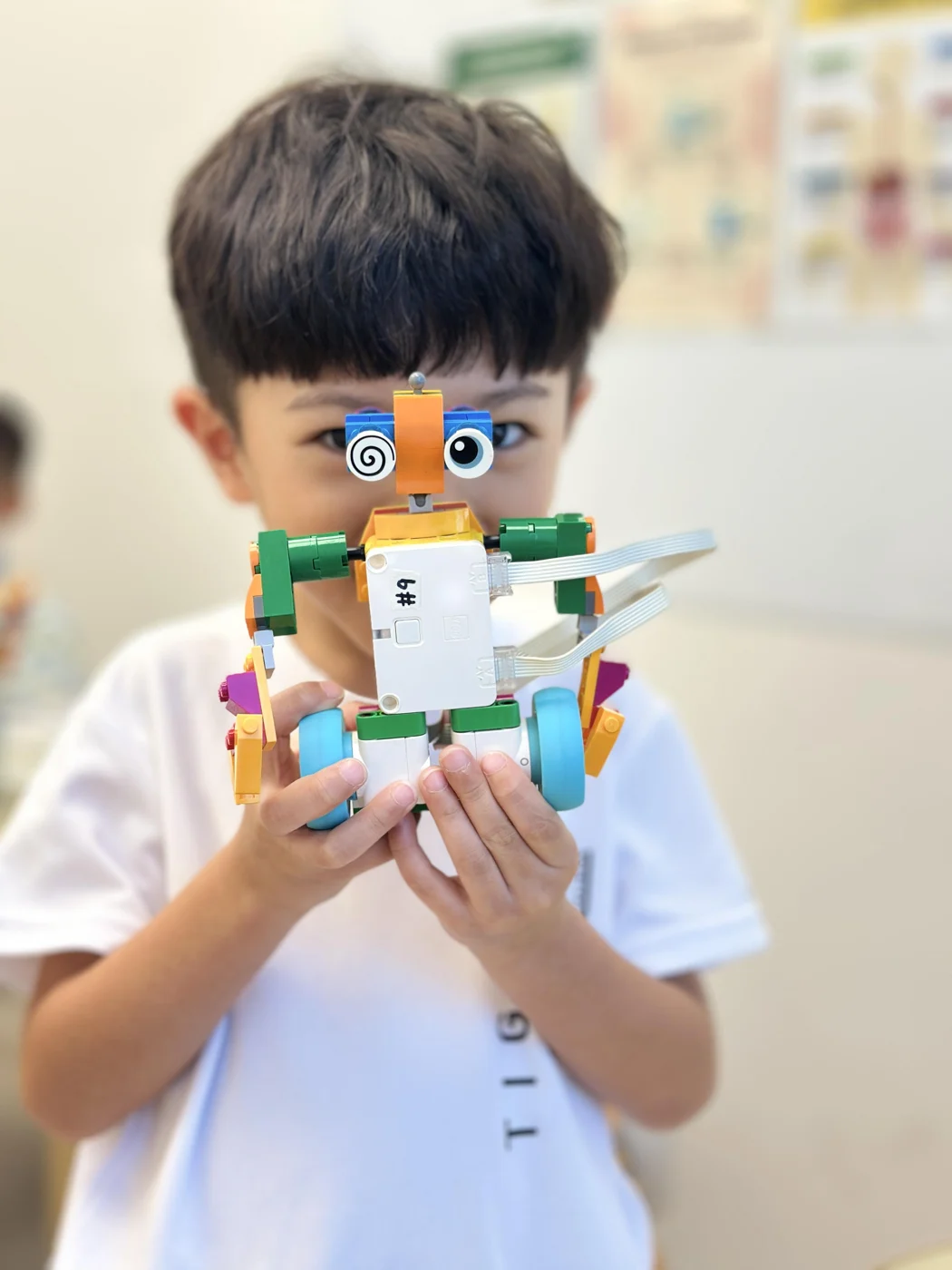
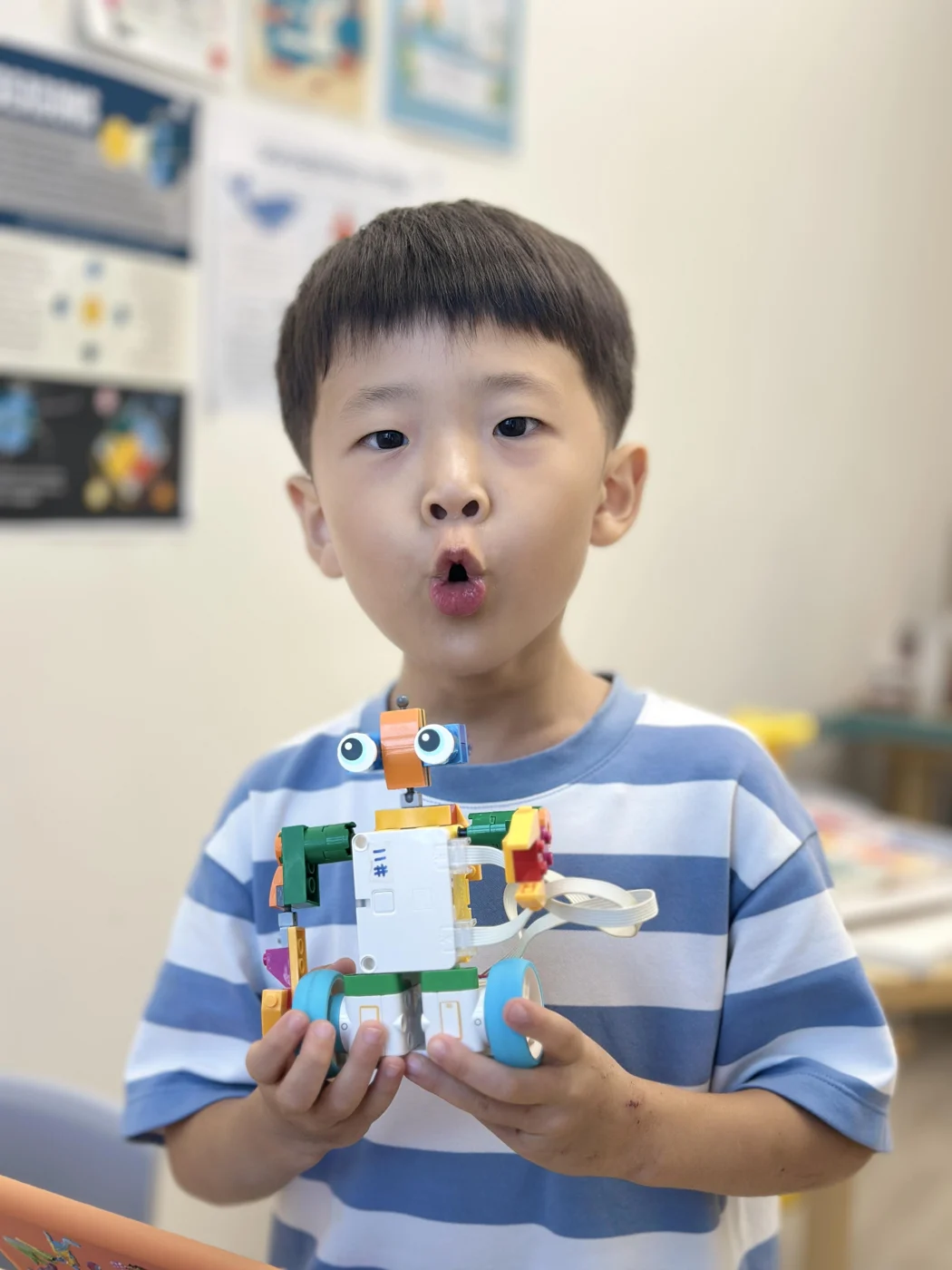
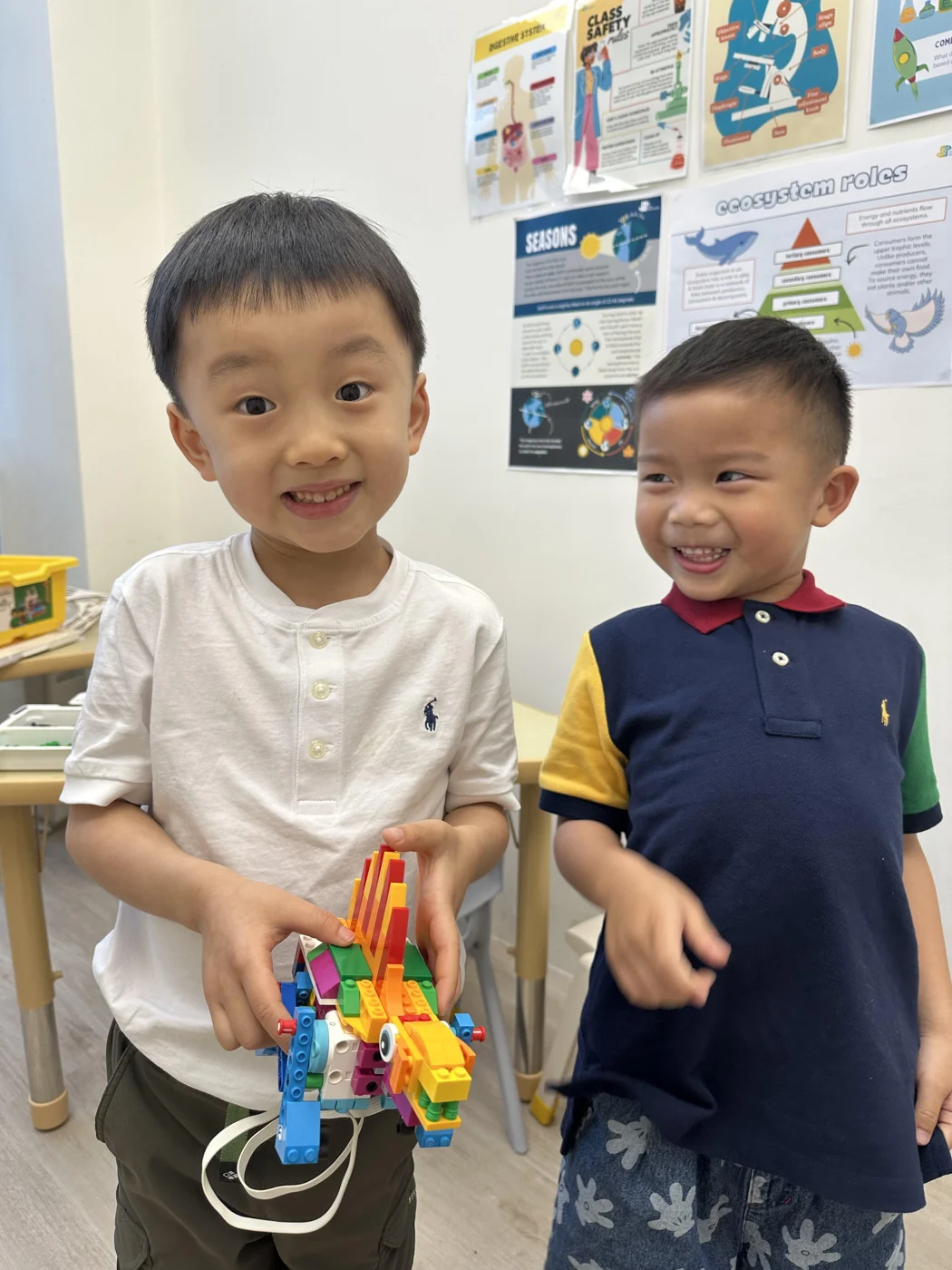
Curious faces, busy hands and the pride of sharing something they made. A look inside STEAM Junior at SUP.
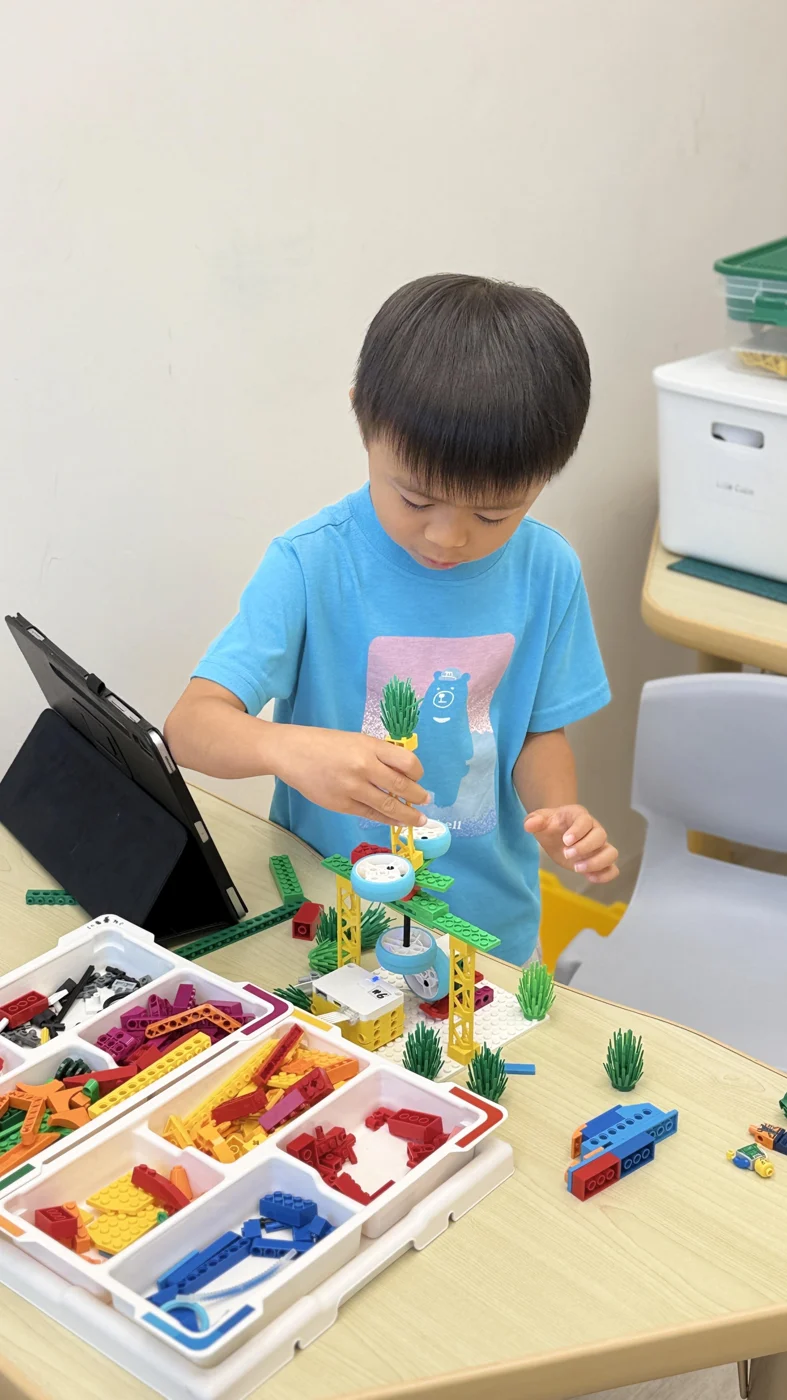
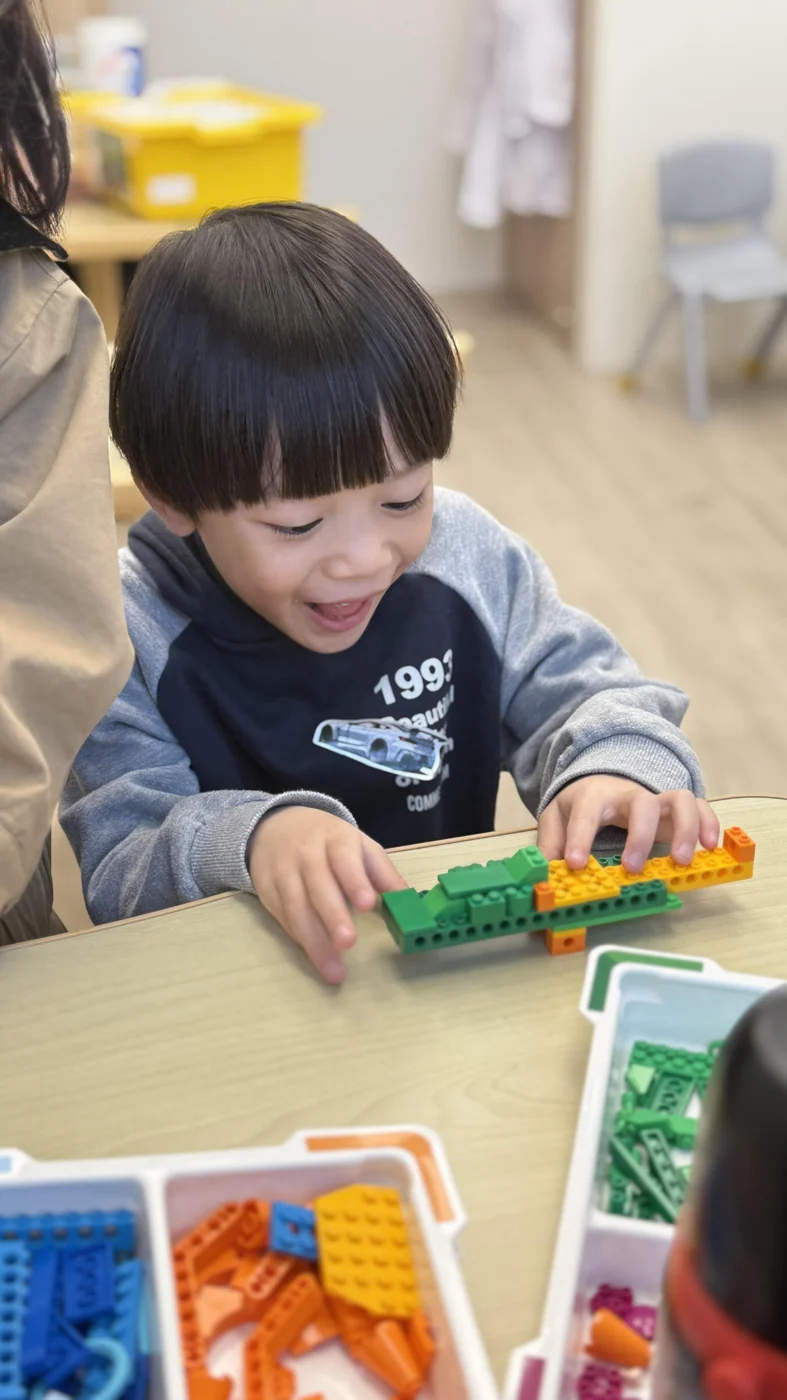
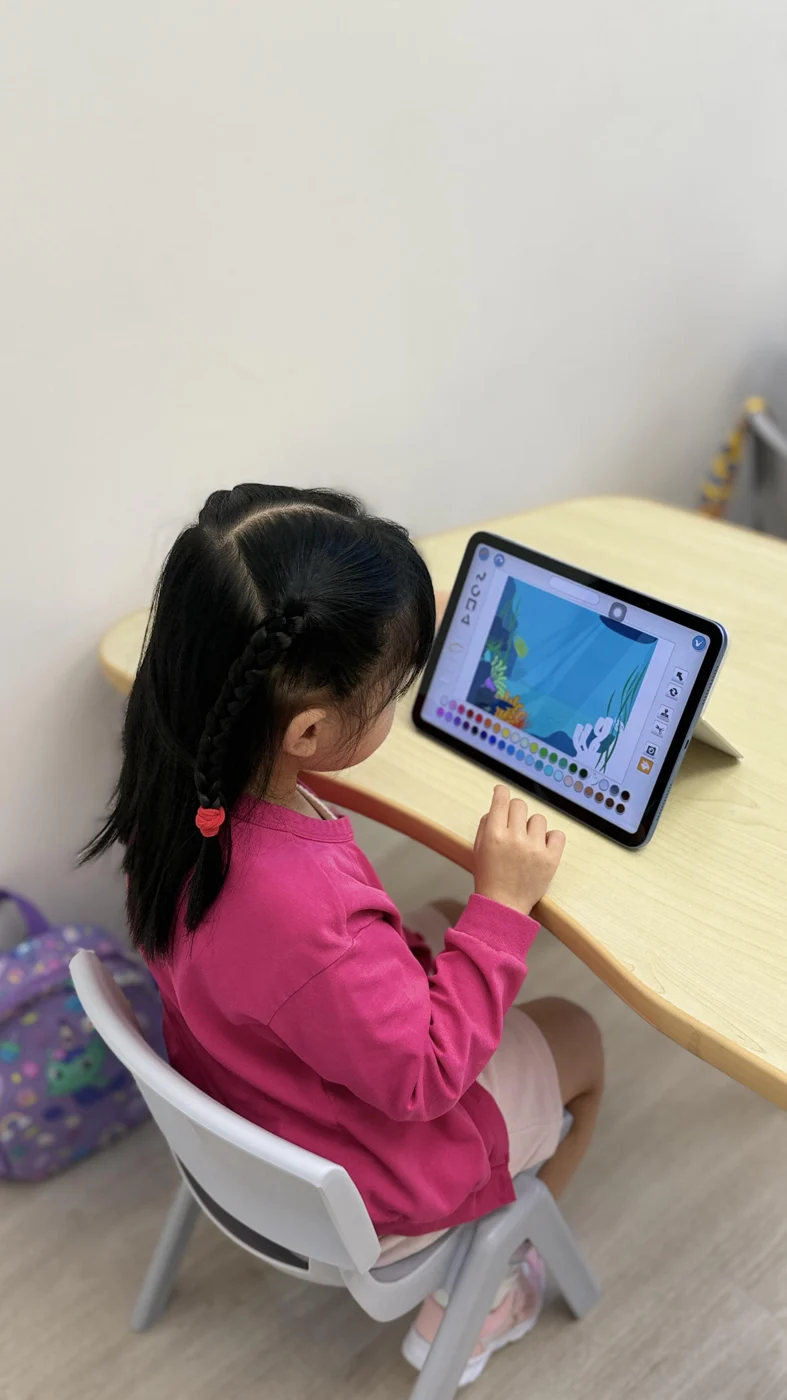
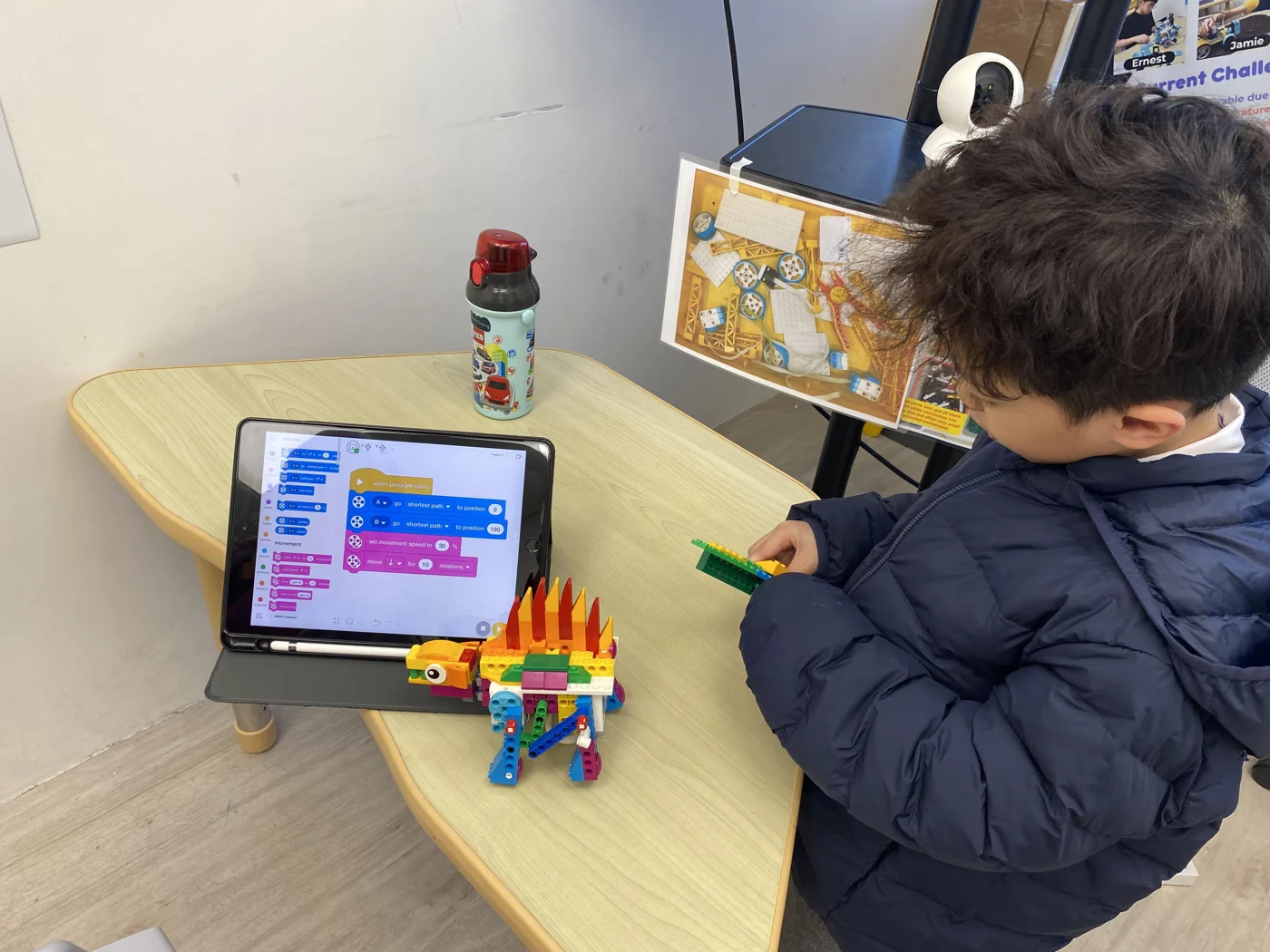
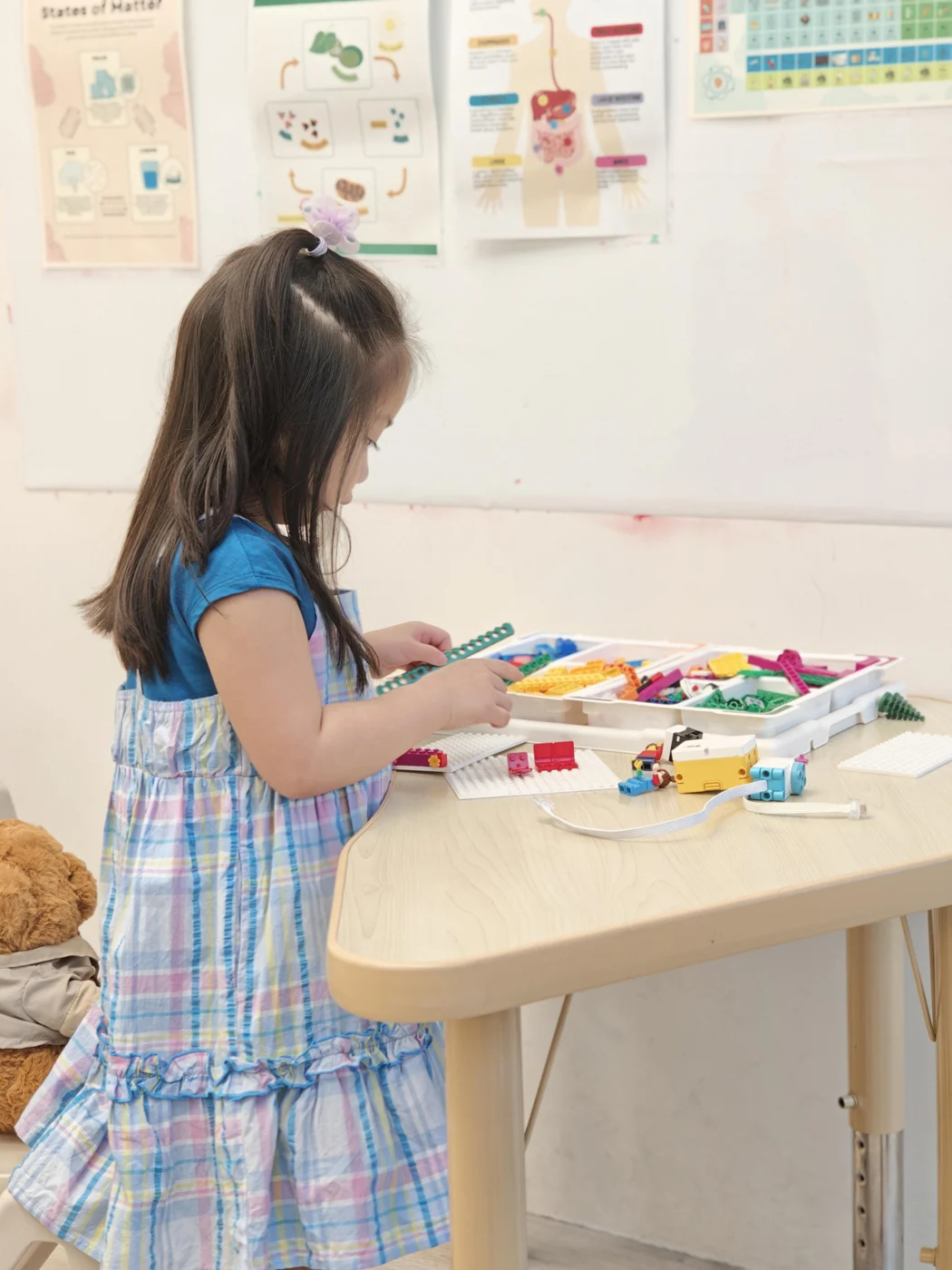
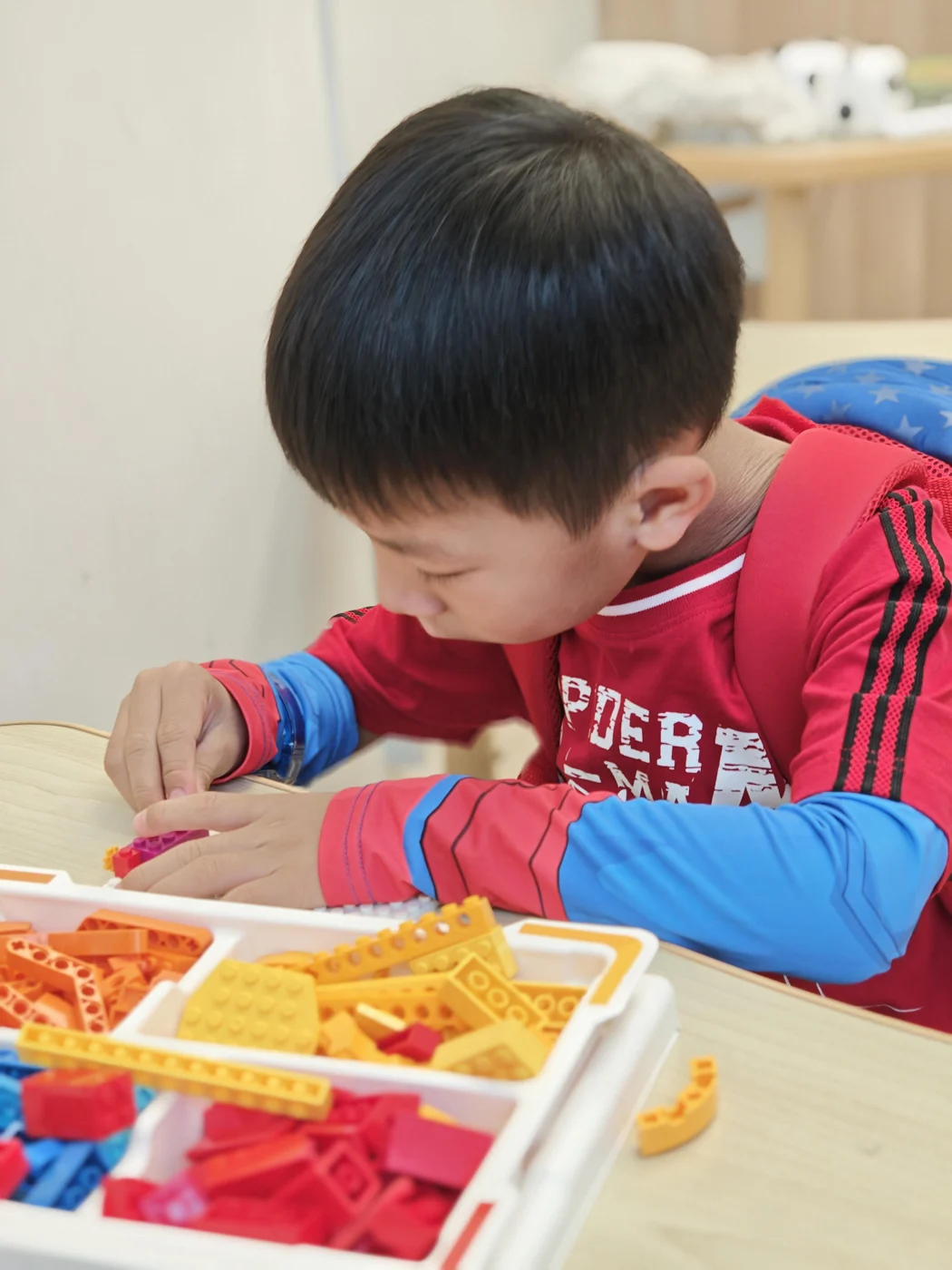
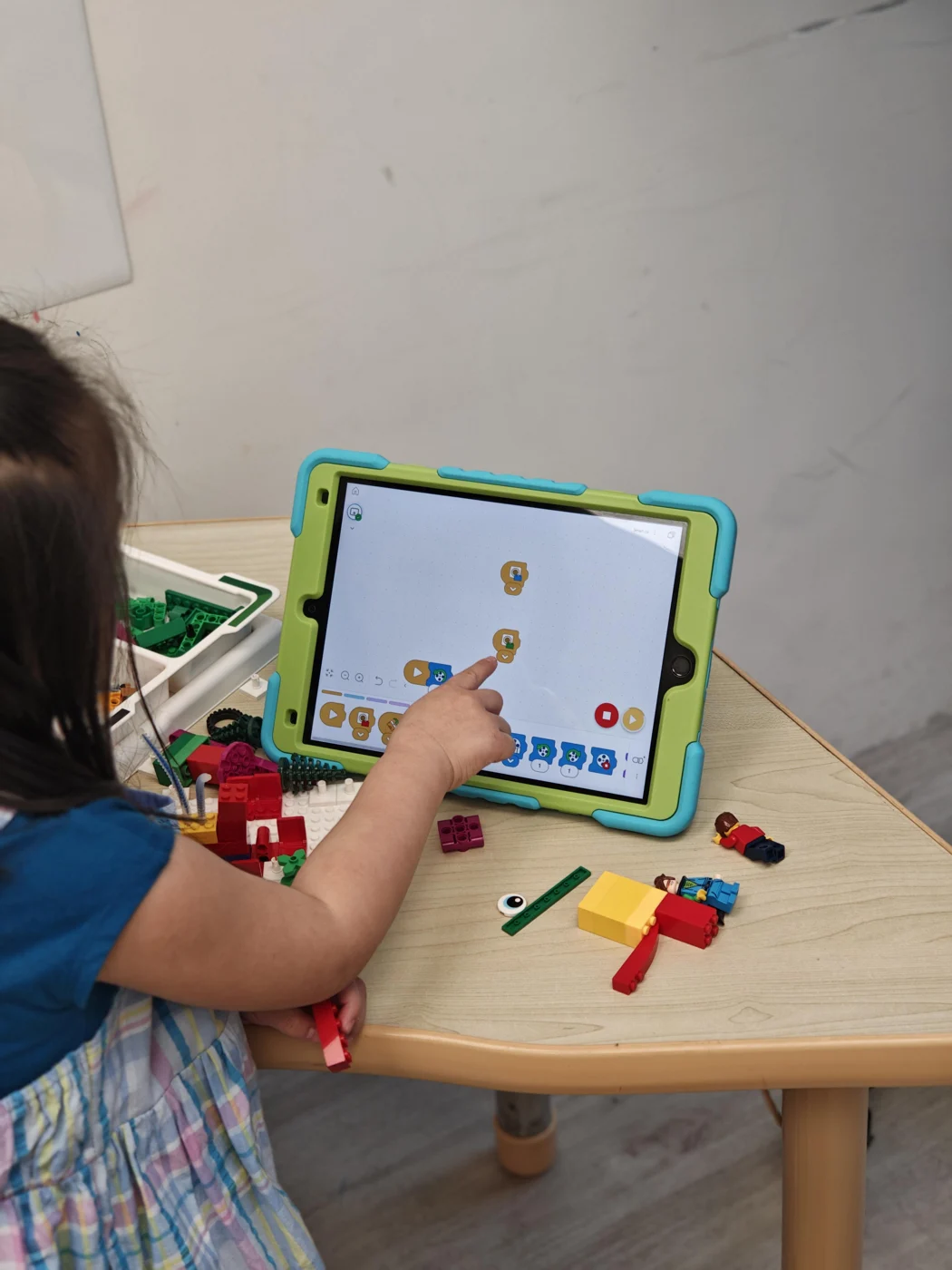
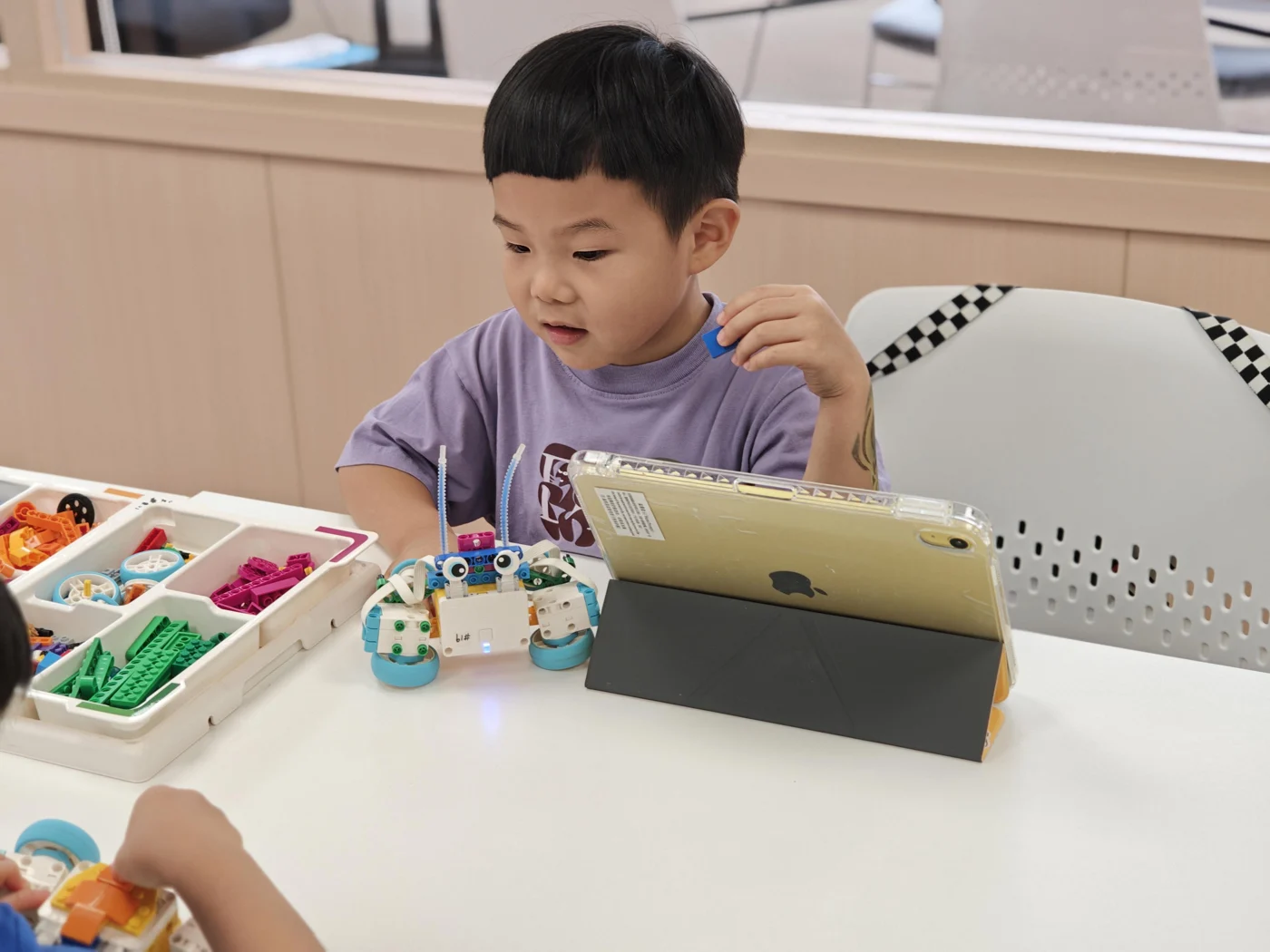
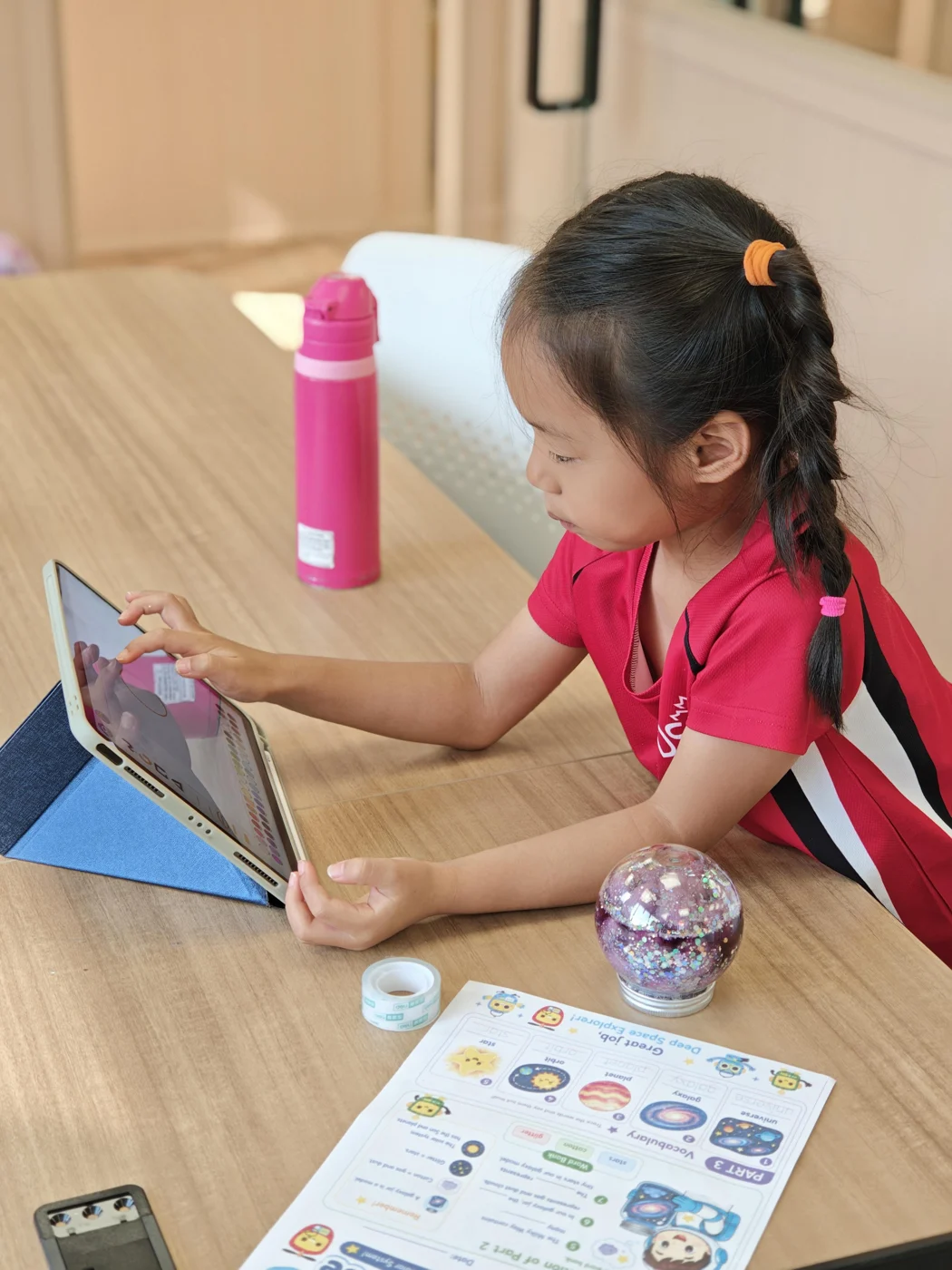
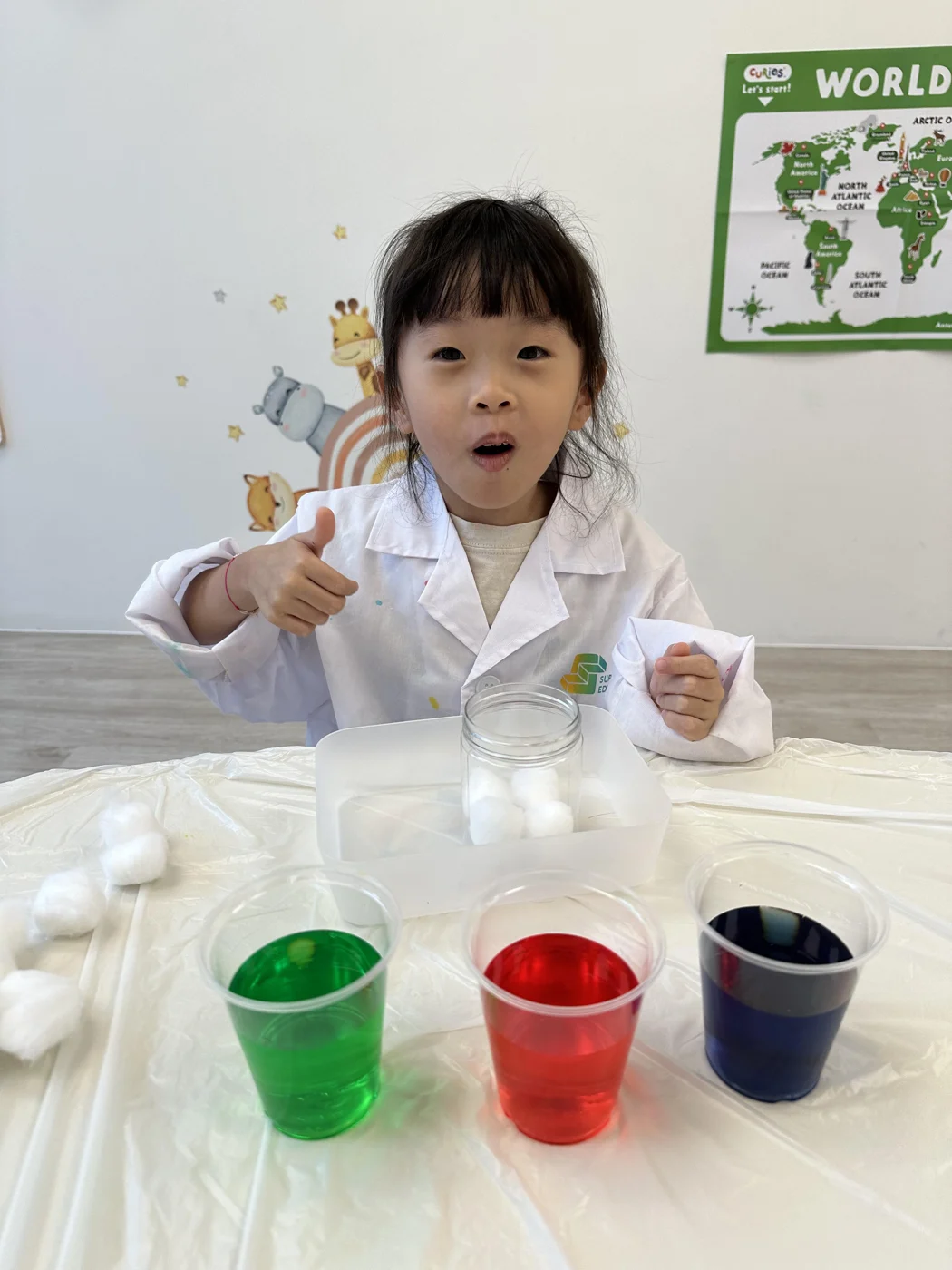
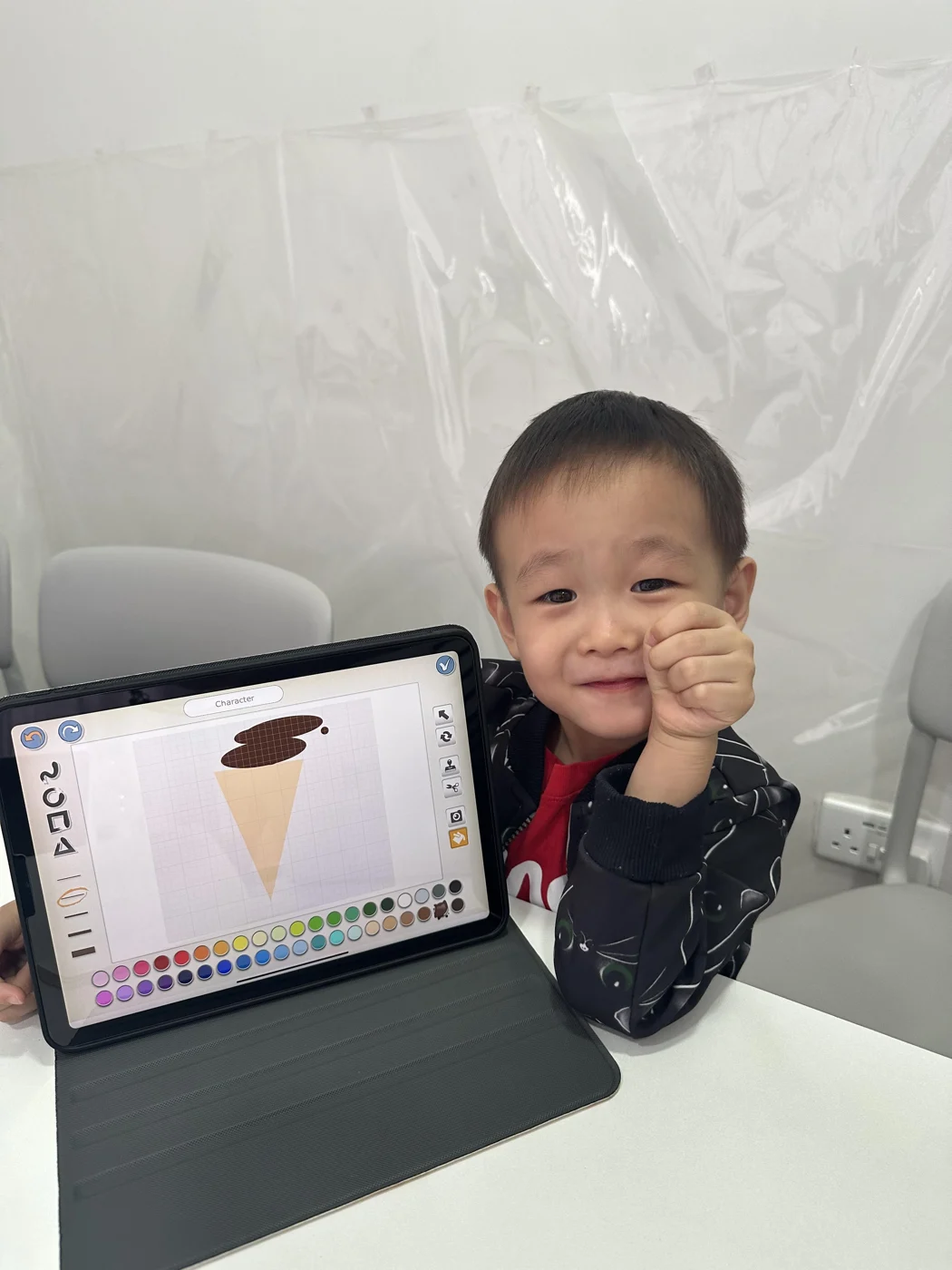
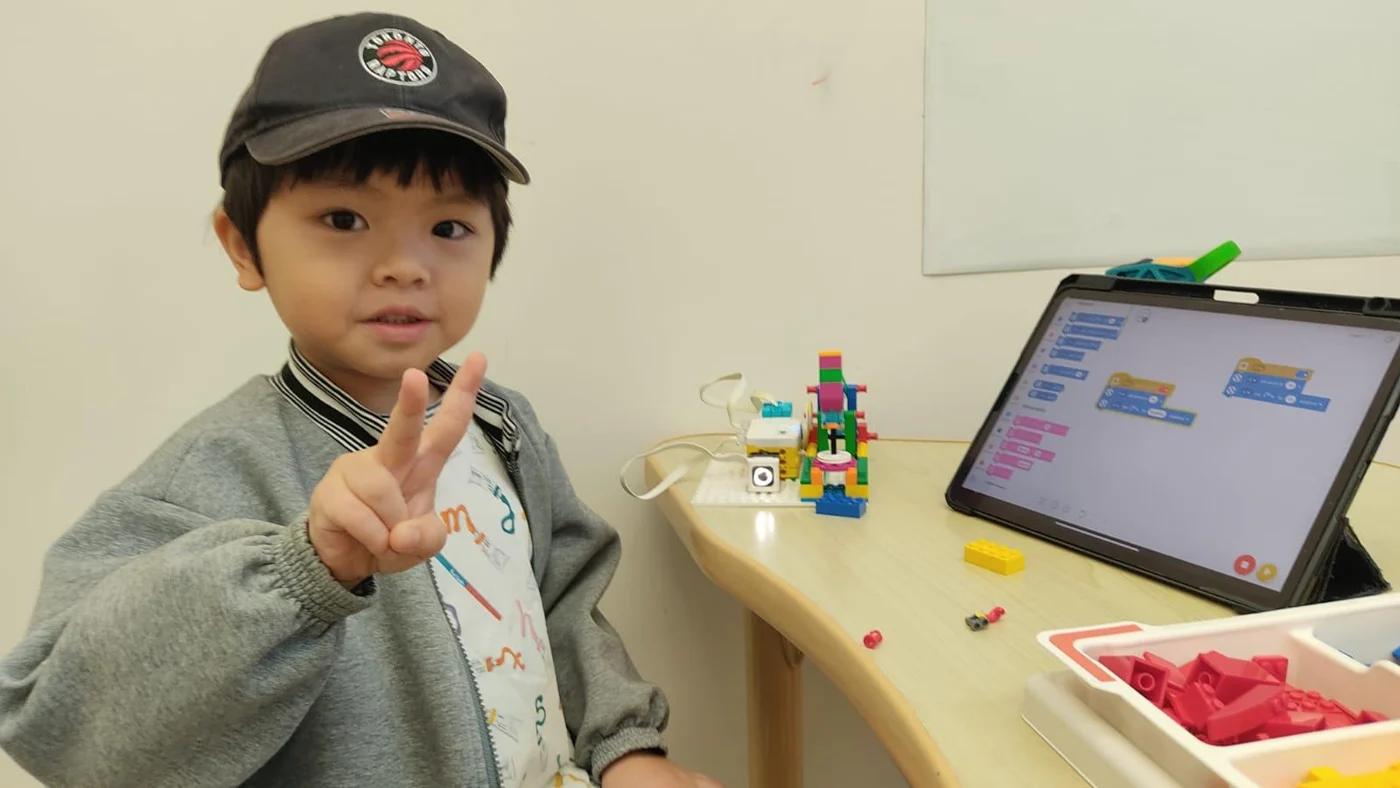
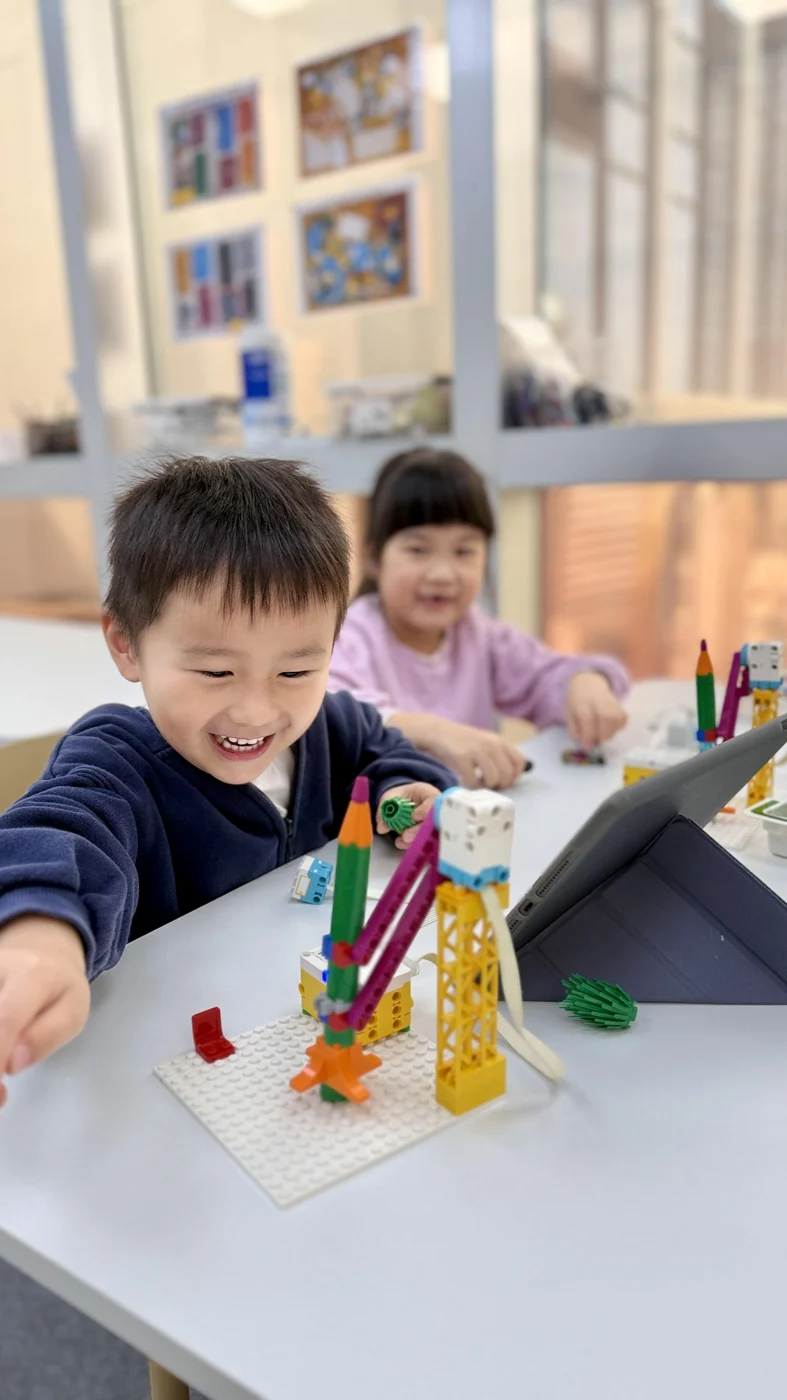
8 of 22 photos
A term usually covers two themes. After completing the term, your child is eligible for an end-of-term showcase during regular class time, and receives a learning progress report and a STEM.org-accredited certificate.
STEAM Junior is a foundation programme for children aged 4–6, according to SUP’s course information. Tell our team your child’s age and experience so we can help you find a suitable starting point.
The course brings together LEGO programming, game design, hands-on science and pitching. Shared course information identifies LEGO SPIKE Essential and ScratchJr as learning tools.
The foundation course introduces early coding through visual instructions. Our Education Consultants can talk through your child’s experience and readiness before recommending a class.
Lessons explore different activities within a shared theme. Ask our Education Consultants about the activities and presentation opportunities in your child’s class.
Space Mission, Ocean Exploration, Super Human Body Machine and Dinosaur Era are themes supplied by SUP. Ask our team which themes are currently available and how children join a class.
Please check with our Education Consultants before bringing or purchasing a device. We will advise on the devices, compatible models and apps needed for your class.
Contact our Education Consultants on WhatsApp with your child’s age. They can advise on current classes, trial arrangements and fees.
START WITH THEIR CURIOSITY
Tell us what your child loves asking about.
We’ll help you find a place to begin.